
Hot Summer Ahead: Are Voltas, Blue Star & Havells Ready for a Breakout?
India is heading into a summer that — by multiple meteorological signals — looks warmer and earlier than usual. At the same time, the government’s GST reduction on air-conditioners and several consumer durables (28% → 18%, effective Sept 2025) has changed the price/demand dynamics for the sector. Below I walk through the climate backdrop, the GST effect, and what this means specifically for three names:
-
Voltas
-
Blue Star
-
Havells India
1) How hot will Summer 2026 be? (short, evidence-backed view)
-
Several regional reports show an earlier-than-normal onset of high temperatures (parts of Karnataka and other plains seeing above-seasonal readings in Feb).
-
Global climate centres flagged a likely shift toward El Niño/ENSO-neutral conditions in 2026, which raises the risk of more intense or prolonged heat spells later in the pre-monsoon season. That pattern increases the probability of an above-normal heat burden for India.
Implication: Expect stronger cooling demand overall — but with regional variation and the usual caveat that precise peaks are confirmed nearer to April–May by the IMD.
2) GST cut (28% → 18%) — quick summary of the mechanics & timing
-
The GST Council’s slab rationalisation (effective Sept 2025) moved many durables including ACs to 18%, implying retail price reductions of roughly ~7–9% depending on model and dealer pass-through. This was widely reported and was the immediate reason for positive market reaction in AC stocks when announced.
How that typically affects demand: lower effective prices + festival/seasonal buying windows → higher volume demand, especially among price-sensitive buyers and in smaller towns where penetration is lower.
3) Will the GST reduction help Voltas, Blue Star and Havells? (practical company view)
Voltas — Tata Group’s consumer & commercial cooling arm
Why it should benefit: Voltas is one of the largest organised AC players and has the widest dealer/service network — a GST-led price cut expands affordability at scale. That said, channel inventory dynamics and short-term demand timing can cause quarter-to-quarter volatility (buyers sometimes defer purchases until prices fall). Market commentary since the cut has been mixed: positive on demand tailwinds but cautious on near-term timing.
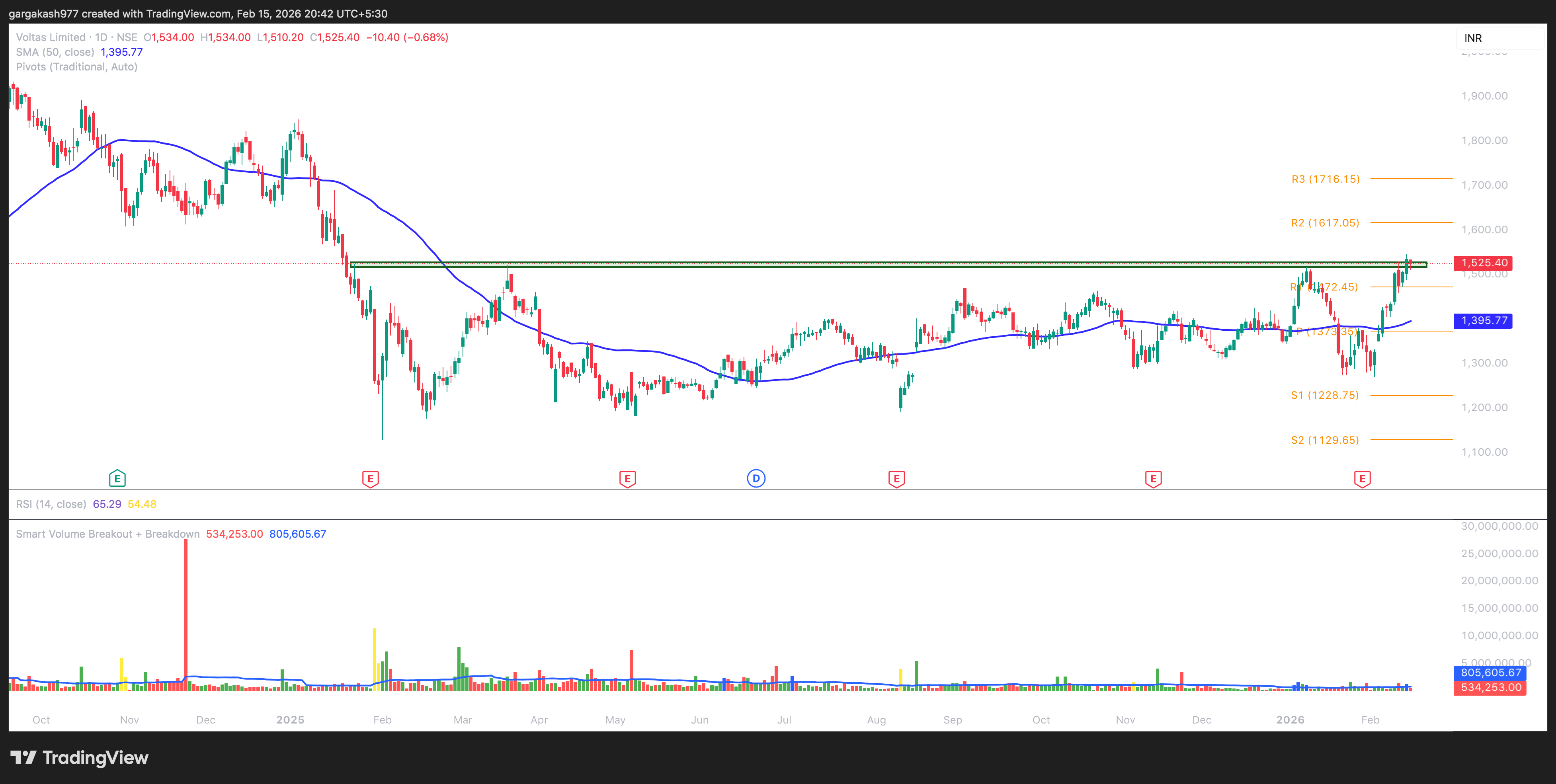
Blue Star — Strong play in room & commercial ACs, premium segment exposure
Why it should benefit: Management guidance and press coverage signalled an expected sales bump post-GST (Blue Star publicly expected an uplift in volumes). Blue Star’s mix of commercial and premium room ACs means they can capture both replacement and upgrade demand. But note earlier commentary that some buyers delayed purchases waiting for the GST change — a short-term dampener on immediate sales that flips into a stronger H2 once inventory clears.
Havells India — Diversified consumer electricals with Lloyd (ACs) presence
Why it should benefit: Havells has a diversified summer portfolio (fans, ACs via Lloyd, coolers) so demand upticks show up across multiple product lines. The GST cut helps competitiveness of their AC offering and supports premiumisation plans; however, margins and short-term performance can be affected by discounting, channel funding, and promotional schemes as companies chase market share.
4) Risks & timing to watch (so you don’t get surprised)
-
Demand timing: Buyers sometimes postpone purchases when a tax cut is announced → short-term delay in sales followed by a pickup. Several companies saw this pattern after the 2025 GST move.
-
Channel inventory: High inventory at dealers can mute immediate upside and impact margins if companies run promotions to clear stock.
-
Weather variability: A milder-than-expected early summer or localized rains can reduce the spike in replacement or impulse buys. (Monitor IMD/region forecasts as we approach April.)
-
Margin impact: Marketing spends and short-term discounting to gain market share could compress margins even as volumes rise.
5) Quick, actionable checklist for investors / content creators
-
For investors: watch dealer inventory, monthly volume data, and company commentary in quarterly calls — these reveal whether the GST benefit is passing through to consumers or getting absorbed.
-
For traders: use the technical charts (placeholders above) to identify momentum or reversal setups; look for volume confirmation after GST-related news or heatwave alerts.
-
For content creators: a two-part angle works well — (A) Explain GST impact simply (how much cheaper), and (B) localised heat stories (what temperatures are doing in your city) — both drive engagement.
6) Conclusion — bottom line in one line
A hotter-than-normal summer in 2026 combined with the GST cut is a structural demand tailwind for organised AC and summer durables — Voltas, Blue Star and Havells are positioned to benefit, but monitor short-term timing effects (deferred purchases, channel inventory and margin pressure)
⚠️ Disclaimer
This document is for educational and informational purposes only and should not be construed as an offer, solicitation, or recommendation to buy, sell, or hold any securities or financial instruments.
The views expressed are based on publicly available information, internal research, and analysis, which are believed to be reliable, but no representation or warranty, express or implied, is made as to their accuracy, completeness, or correctness. Market conditions may change, and past performance is not indicative of future results.
Investments in the securities market are subject to market risks. Readers are advised to conduct their own independent research and consult a qualified financial advisor before making any investment decisions. The author shall not be responsible for any direct or indirect losses arising from the use of this information.
📜 Disclosure as per SEBI (Research Analyst) Regulations, 2014
-
The author is a SEBI Registered Research Analyst.
-
SEBI Registration Number: INH000011501
-
Name of Proprietor: Akash Garg
-
Firm Name: AG Analyst
-
The analyst has prepared this content independently, and the views expressed herein are personal and unbiased.
-
The analyst and/or firm may or may not have positions in the securities discussed at the time of publication.
-
The analyst has not received any compensation, monetary or otherwise, from the companies mentioned in this document.
-
There is no conflict of interest at the time of publishing this research.